
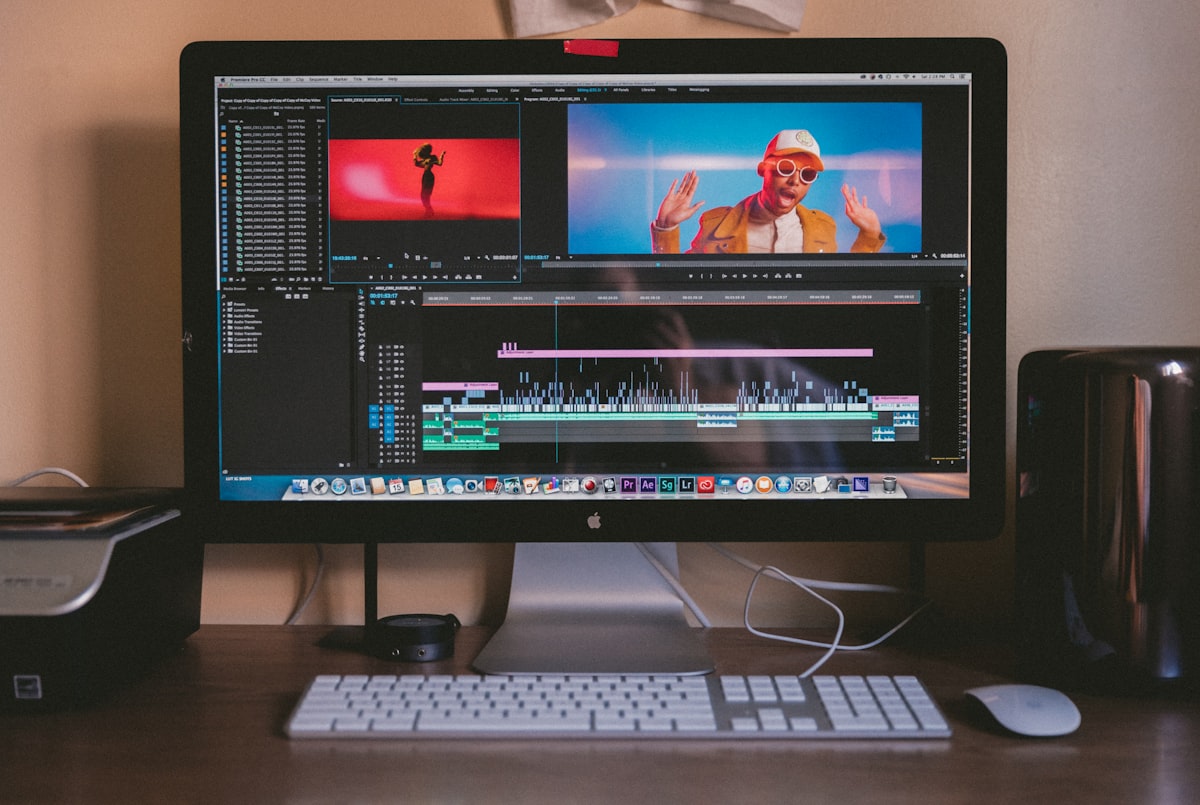
Why Short-Form Video Works Especially Well for Healthcare
Most service industries struggle to build trust before the first transaction. Healthcare is no different — patients are choosing someone to trust with their body. Short-form video collapses that trust gap faster than any other format. A 30-second Reel of a provider walking through a common procedure, debunking a myth, or answering a patient question does more to establish credibility than a beautifully designed website ever could. Patients feel like they know the provider before they've ever booked. That familiarity converts — practices that show up consistently on video regularly report new patients mentioning specific videos as the reason they chose to call.
HIPAA Compliance in Video — The Non-Negotiables
The same HIPAA rules that apply to social media images apply to video — and video carries additional risk because it's harder to control what's accidentally captured. Never film in areas where patient information is visible (computer screens, whiteboards, intake forms). Never include a patient in any video without a signed, HIPAA-compliant written authorization specifying the exact use. Never use footage that could identify a patient — even a hand with a distinctive tattoo or a voice in the background. Film in treatment rooms before or after patient hours, in common areas without PHI present, or in designated filming spaces. Train every staff member who might appear in video on these boundaries before you start.
The Content Types That Perform Best for Medical Practices
Not all video content is created equal. For medical practices, these formats consistently drive the most reach and patient inquiries: Myth-busting videos ('Does Botox really freeze your face?'), procedure walkthroughs showing what to expect step-by-step with no patient present, FAQ answers based on the questions your front desk hears most often, day-in-the-life provider content that humanizes the team, before/after reveals with proper written patient authorization, and seasonal content tied to relevant health moments (back-to-school checkups, summer skin prep, flu season). Start with myth-busting and FAQ content — it's the easiest to create and consistently performs well across platforms.
What Equipment You Actually Need
The barrier to entry is lower than most practices think. A modern smartphone, a ring light (under $30), a simple tripod or phone stand, and a clip-on lavalier microphone (under $25) is everything you need to produce professional-quality short-form video. Good lighting and clear audio matter far more than camera quality — a well-lit iPhone video outperforms a poorly lit DSLR video every time. You don't need a production crew or a media budget to start. The best-performing healthcare video accounts on Instagram and TikTok are almost entirely smartphone-produced. Start simple, get consistent, and upgrade equipment only after you've built the habit.
How to Batch-Create Content Without Burning Out
The biggest reason medical practices stop posting video is the time commitment of creating content daily. The solution is batching: dedicate one 2-hour block per month to filming 8–12 videos at once. Script or outline each video in advance (5–7 bullet points per video is enough), film them back-to-back in the same location, then edit and schedule them to post throughout the month. Most smartphones have built-in editing tools sufficient for short-form content. Batch creation turns an exhausting daily task into one manageable monthly session. One provider who films for 2 hours per month can maintain a consistent posting schedule across Instagram, TikTok, and YouTube Shorts simultaneously.
Repurposing Video Across Platforms
The same video can appear on Instagram Reels, TikTok, YouTube Shorts, and Facebook Reels with minimal additional effort. Film in vertical 9:16 format, which works natively on all short-form platforms. Minor adjustments — removing a TikTok watermark before uploading to other platforms, adjusting captions for platform tone — are the only changes needed. This multiplies your reach without multiplying your production effort. For practices with a managed social media presence, repurposing is standard practice: one piece of content becomes 4–5 platform posts, a website embed, and potentially a blog illustration.
Measuring Video's Impact on Practice Growth
Vanity metrics (views, likes, followers) tell you about reach — they don't tell you about business impact. What to track: direct messages and profile link clicks from video content, new patient inquiries that mention social media as how they found you, website traffic from social referral sources, and follower growth rate as a proxy for reach expansion. Ask new patients at intake: 'How did you hear about us?' Add 'Social Media / Instagram / TikTok' as explicit options. Over time, this attribution data tells you which content types are actually driving appointments vs. which are just generating passive views. Optimize toward what converts, not what gets the most hearts.